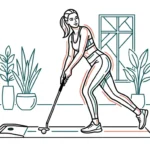

Why Flexibility Matters More After 50
Golf flexibility for senior women is a game-changer. As we age, maintaining mobility isn’t just about staying limber—it’s essential for keeping your swing smooth, powerful, and pain-free. By focusing on targeted stretches, you can boost range of motion, prevent injuries, and enjoy more consistent ball striking.
Aging and Mobility: What Changes
As we age, our joints lose lubrication, our muscles tighten, and our range of motion narrows. That’s a recipe for short swings and soreness if left unchecked.
Flexibility and Golf Performance Connection
Flexibility directly affects your shoulder turn, hip rotation, and balance—three things that define your golf swing. The more mobile you are, the more power and control you unlock.
Benefits of Flexibility for Senior Women Golfers
Increased Swing Range and Control
When your hips and shoulders move freely, your backswing lengthens and your clubface stays on plane.
Reduced Risk of Injury
Tight muscles lead to compensation—and that’s how strains, pulls, and tweaks happen.
Better Balance and Energy Efficiency
Flexible joints and relaxed muscles help you stay balanced throughout your swing, especially through impact and follow-through.
Key Areas to Target for Golf-Specific Flexibility
Hips and Glutes
They’re the engine room of your swing. Mobile hips mean smoother turns and more power.
Shoulders and Upper Back
This is where you’ll unlock full shoulder rotation and prevent rounding in your setup.
Core and Torso
More rotation = more swing speed. A supple core helps you rotate rather than sway.
Hamstrings and Calves
Flexible legs keep your posture strong and support proper weight transfer.
How to Warm Up Before You Stretch
Gentle Cardio to Get the Blood Moving
Start with a 3-minute walk, march in place, or gentle arm circles.
Dynamic Movements vs Static Stretches
Move first, hold second. Use leg swings, torso turns, or shoulder rolls to wake up your body before holding any stretch.
Daily Flexibility Routine for Senior Golfers
10-Minute Flow You Can Do Anywhere
- Arm swings
- Standing torso twists
- Seated forward bends
- Shoulder circles
- Hip openers
When to Stretch for Best Results
Aim to stretch post-round or in the evening when your muscles are warm and receptive.
Best Seated Flexibility Drills for Older Golfers
Seated Torso Twists
Sit tall in a chair. Twist gently to one side, holding the chair back. Repeat on the other side.
Seated Leg Extensions with Toe Reach
Straighten one leg, reach toward your toe, and hold for a gentle hamstring release.
Standing Flexibility Drills for Strength and Stability
Hip Circles and Knee Lifts
Place hands on your hips. Make slow circles or raise one knee and rotate it outward.
Standing Spinal Rotations with Golf Club
Hold your club across your chest and rotate your torso to mimic your swing.
Floor-Based Flexibility Drills (Optional)
Supine Knee-to-Chest Pull
Lying on your back, bring one knee in to relieve lower back tension.
Lying Figure-Four Stretch
Cross your ankle over your opposite knee and pull gently.
Cat-Cow for Spinal Fluidity
On hands and knees, alternate arching and rounding your back.
Yoga-Inspired Movements for Golf
Golf Pose (Modified Warrior II)
Arms extended, front knee bent—improves alignment in your setup.
Downward Dog to Cobra Flow
Stretches calves, hamstrings, and lower back, then strengthens the core.
Triangle Pose for Torso Extension
Opens the side body and helps maintain posture.
Using Props for Safer, Deeper Stretches
Yoga Blocks and Straps
Blocks help you reach without strain. Straps improve leverage.
Stability Chairs or Wall Support
Perfect for balance during standing stretches.
Flexibility and Posture: Fixing Common Swing Issues
Rounding Shoulders and Spine Stiffness
Stretch the chest and open the back to improve posture.
Limited Shoulder Turn and Early Extension
Target your upper spine and hips with twists and mobility work.
Tracking Your Flexibility Progress
Journaling Mobility Milestones
Track your rotation, reach, and stability.
Signs Your Range of Motion Is Improving
- Swing feels smoother
- Less tension post-round
- Fewer “ouch” moments when twisting or bending
How Often Should You Do Flexibility Drills?
Ideal Frequency for Senior Women
Stretch 5–6 days a week, even if it’s just 5–10 minutes.
When to Rest vs When to Push
Go easy if sore, but don’t skip entirely.
Mistakes to Avoid When Stretching
Holding Your Breath
Deep, slow breaths help muscles release.
Forcing Movements Beyond Your Limit
Avoid bouncing or jerking—stretching is gradual.
Complementary Exercises to Enhance Flexibility
Light Strength Training
Strong muscles support flexible joints.
Balance and Core Stability Work
Standing on one leg or slow core work improves swing stability.
Final Thoughts: Graceful, Pain-Free Golf Starts with Flexibility
Flexibility isn’t just about touching your toes—it’s about improving your game, posture, and comfort. A little daily work goes a long way.
FAQ
1. How long should I hold each stretch for golf flexibility?
Aim for 15–30 seconds per stretch, and repeat 2–3 times if needed.
2. Can flexibility alone improve my golf swing?
Yes—especially your rotation, posture, and follow-through. Pair it with strength for best results.
3. What time of day is best to stretch?
Evenings are ideal for deeper stretches when muscles are warm. Mornings are great for wake-up flows.
4. Is it safe to stretch daily after 60?
Absolutely! Just listen to your body, avoid forcing, and focus on form.
5. What if I’ve had joint replacements—can I still stretch?
Yes, but modify positions as needed and consult with your doctor or physical therapist.