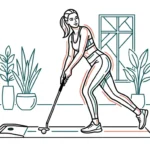

utting is the great equalizer in golf. No matter how far you hit the ball off the tee or how clean your irons feel, your score ultimately depends on what happens on the green. For many women golfers, putting can be one of the most rewarding parts of the game—but also one of the most frustrating. The smallest movements matter. A slight loss of focus can send the ball wide. A rushed motion can ruin speed control. Yet when your putting feels solid, everything else flows. That’s why learning the right golf putting tips for women can shave strokes off your score faster than almost anything else.
Putting is more about touch, rhythm, and consistency than strength. And that makes it an area where women can excel with the right techniques. Women naturally tend to have smoother tempos, softer touch, and better finesse—qualities that translate beautifully into putting. But even with these natural strengths, mastering the green requires understanding how to read lines, control speed, and execute a stroke that repeats under pressure. The best putters aren’t lucky—they’re deliberate. They know how to build routines that calm the mind and prepare the body for consistent execution.
When you understand the fundamentals and apply the right strategies, putting becomes far less intimidating. Instead of guessing at speed or hoping the ball breaks the right way, you walk onto the green with clarity. You know what to look for, trust your stroke, believe in your ability to roll the ball with purpose. These golf putting tips for women are designed to help you build that confidence, whether you’re new to the game or looking to refine your competitive edge.
Why Putting Matters So Much for Women Golfers
Putting makes up nearly half of most golfers’ strokes. That means even small improvements on the green have a massive impact on your overall score. Women golfers often rely on accuracy and tempo more than brute power, which makes putting a place where they can gain an advantage over many players. A smooth, confident putter can rescue you from tough approach shots and save multiple strokes every round.
Mastering putting also reduces frustration. When you trust your putter, you approach each hole with more calmness. You stop fearing three-putts. You stop worrying about momentum-stopping mistakes. Instead, you begin to see opportunities. Good putting turns bogeys into pars and pars into birdie chances.
Confidence builds quickly once you understand proper technique. Every time you drain a tough putt, feel the rhythm of a perfect stroke, or judge a long lag putt correctly, your self-belief grows. And in golf, confidence is currency.
Start with a Consistent Putting Setup
Your putting success begins long before the stroke. A consistent setup ensures that your body, eyes, and putter work in harmony. Many women struggle with putting because their stance or posture changes from putt to putt. Consistency creates trust—and trust leads to better results.
Position your feet shoulder-width apart. This gives you balance without tension. Flex your knees slightly and keep your weight evenly distributed. Your eyes should sit directly over the ball or just inside the line. If your eyes drift too far outside or inside, misalignment becomes more common.
Grip pressure is another key. Many women grip too tightly, which creates tension in the wrists and shoulders. A light, relaxed grip promotes smoother energy flow. Let your arms hang naturally. Relax your shoulders. Feel the putter become an extension of your hands. These small setup details influence your ability to roll the ball consistently.
Develop a Smooth, Repeatable Stroke
The best putting strokes are simple. They flow back and through with minimal wrist action. For women especially, focusing on a pendulum-like motion helps develop a consistent rhythm. Think of your shoulders as the engine of the stroke. They rock back and forth while your hands guide the putter gently.
The beauty of this approach is that it eliminates mechanical thinking. When your shoulders drive the stroke, your wrists stay stable. This creates a predictable roll, which improves distance control and accuracy. Your job isn’t to hit the ball—it’s to stroke the ball with a smooth, even tempo.
Tempo matters more than speed. A rushed backswing or jabbed follow-through disrupts your roll. When your tempo stays steady, your stroke feels effortless. Mastering this rhythm is one of the most essential golf putting tips for women because it gives you a stroke that holds up even under pressure.
Distance Control: The Hidden Secret to Fewer Three-Putts
While everyone dreams of draining long putts, it’s distance control that truly lowers scores. Lag putting—rolling the ball close from long range—is where most strokes are saved. Women golfers often excel at feel, but distance control becomes a challenge without a defined approach.
Start by practicing length-based putting. Imagine your stroke as a clock. A small backstroke equals short distance. A medium backstroke equals medium distance. A longer one equals long distance. By repeating these lengths consistently, your brain develops a natural sense for speed.
Focus on rolling the ball past the hole by only a foot or two. Putts left short have no chance. Putts that run wildly long create stressful comeback opportunities. Good distance control keeps your second putt simple and manageable.
Read the Green with Intention
Green reading is both an art and a science. Women often have exceptional observational skills, which can give them an advantage here. Start by reading the putt from behind the ball to understand the overall slope. Then move to the low side of the putt—the side where gravity will pull the ball. This view lets you see the break more clearly.
Pay attention to the grain of the grass. In some courses, grain affects the speed and direction of putts. Shiny grass typically means the grain is moving away from you, causing the ball to roll faster. Darker grass usually means it’s coming toward you, slowing the ball down.
Also consider elevation. Up-hill putts require more speed. Downhill putts require a gentle touch. The more you practice reading greens, the more instinctual it becomes.
Use a Simple, Reliable Putting Routine
A putting routine keeps you focused and calm. Women golfers benefit greatly from a predictable sequence because it reduces nerves and increases consistency. Your routine might include lining up the ball, taking one or two practice strokes, visualizing the line, and breathing deeply before addressing the ball.
This routine signals to your brain that it’s time to focus. It removes overthinking and helps your stroke stay repeatable. When pressure increases—like on a must-make putt—your routine becomes your anchor.
Fixing Common Putting Problems for Women
Leaving Putts Short
This often comes from fear of rolling the ball too far. Adjust your mindset: commit to finishing past the hole.
Pushing or Pulling Putts
Usually caused by misalignment or wrist movement. Focus on shoulder-driven motion and a square face at impact.
Inconsistent Distance
Often a tempo issue. Practice swinging with a steady rhythm and consistent backstroke length.
Poor Green Reading
Spend more time on the low side of the putt. This angle shows break better than behind-the-ball views alone.
Why Confidence Matters More Than Mechanics
Putting is as mental as it is physical. Even the best technique won’t help if you don’t trust it. Women golfers often undervalue their putting abilities, which leads to timid strokes and indecision. But when you embrace a confident mindset, everything shifts.
Confidence lets you commit to your line. It helps you maintain tempo. It transforms anxiety into clarity. Confidence comes from repetition, from small wins, and from trusting your process. It builds slowly—but it becomes a superpower once it’s yours.
Conclusion
Mastering the green begins with understanding feel, rhythm, and intention. These golf putting tips for women help you create a balanced setup, a smooth stroke, and reliable distance control. When you read greens with purpose and trust a consistent routine, putting becomes one of the strongest parts of your game. With practice and confidence, you’ll walk onto every green knowing you have the skill—and the touch—to make every putt count.
FAQ
1. How can women improve distance control in putting?
Practice consistent backstroke lengths and focus on a smooth, steady tempo.
2. Why do I miss short putts?
Short putts usually fail due to tension, misalignment, or lack of commitment to the line.
3. What is the best putting grip for women?
Any grip that keeps your wrists stable works. Many women prefer the reverse overlap or claw grip.
4. How do I fix my putting alignment?
Use alignment marks on your ball and make sure your eyes are directly over the ball.
5. How often should women practice putting?
Even 10–15 minutes per session, a few times a week, builds consistency and confidence.