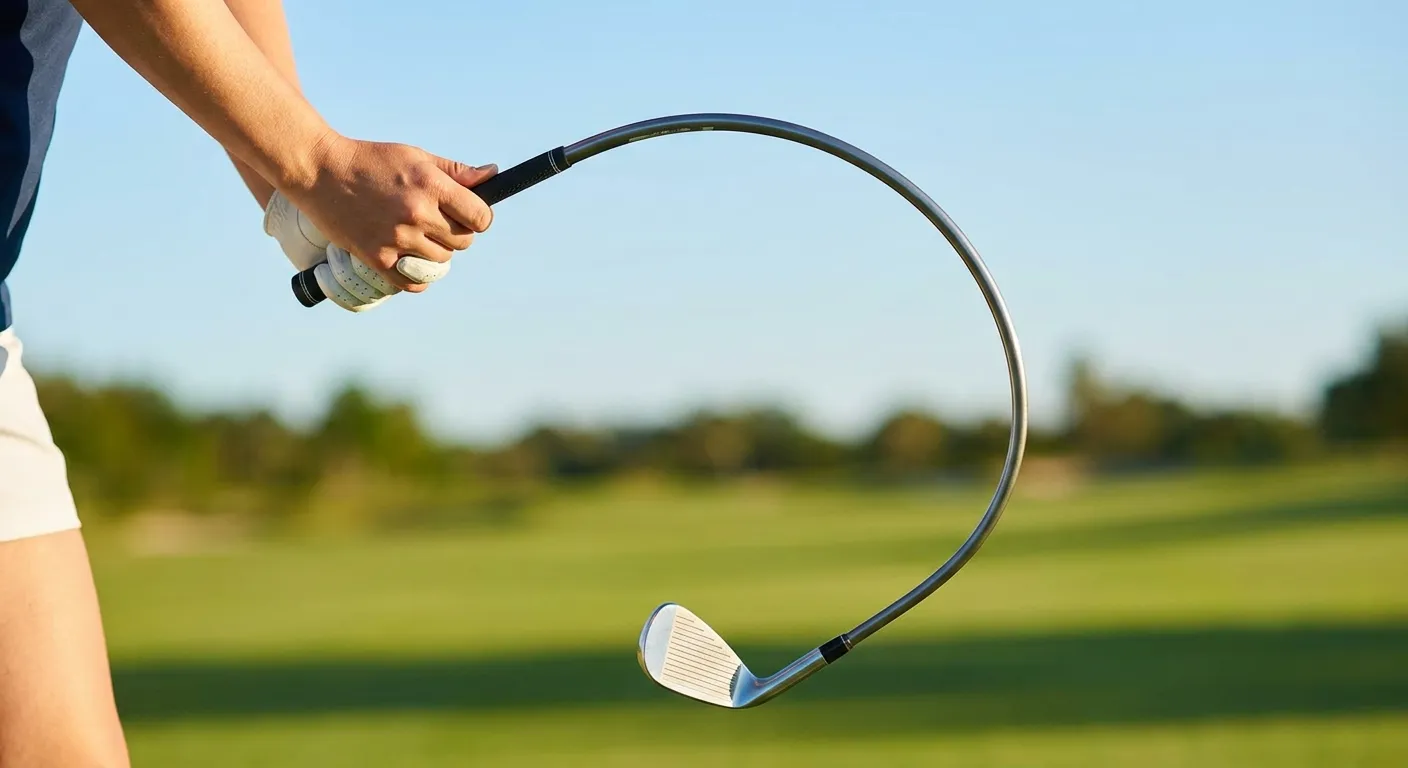
For many female golfers, the focus often lies on clubhead design or loft, overlooking a crucial component that dictates how effectively energy is transferred from your swing to the ball: the shaft. Understanding golf club shaft flex is crucial for every female golfer looking to optimize their swing, achieve greater consistency, and maximize power on the course. It’s not just a technical detail for pros; it’s a fundamental aspect of equipment fitting that can dramatically improve your game.
At She Golfs Better, we believe in demystifying golf equipment so you can make informed choices. The shaft acts like a spring, loading and unloading energy during your swing. If this spring isn’t matched to your swing speed, you’re leaving yards and accuracy on the table. Let’s break down what shaft flex means and why it matters for your game.
What Exactly is Golf Club Shaft Flex?
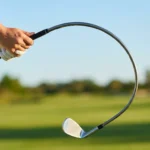
Golf club shaft flex refers to the shaft’s ability to bend or ‘flex’ during the golf swing. As you swing the club, the shaft bends backward during the downswing (lag) and then forward just before impact (kick). This bending action influences the clubface angle at impact and the amount of spin imparted on the ball.
Shaft flex is typically categorized as:
- Ladies (L): Designed for slower swing speeds, typically under 70 mph.
- Senior (A/M): For moderate swing speeds, often 70-85 mph.
- Regular (R): The most common flex, suitable for swing speeds of 85-95 mph.
- Stiff (S): For faster swing speeds, usually 95-105 mph.
- Extra Stiff (X): For very fast, powerful swings, over 105 mph.
Choosing the right golf shaft stiffness is about matching the shaft’s bend profile to your personal swing speed and tempo. A shaft that’s too stiff won’t flex enough, leading to a loss of distance and a tendency to slice. A shaft that’s too flexible will over-flex, often resulting in a hook or inconsistent contact due to too much spin.
Identifying Your Ideal Club Shaft Bend
So, how do you determine the right golf shaft flex for you? It primarily comes down to your swing speed and how you load the club during your downswing.
- Swing Speed Measurement: The most accurate way is to get your swing speed measured by a professional using a launch monitor. This data is the foundation for a proper fitting.
- Ball Flight Analysis: Pay attention to your current ball flight. Are you consistently hitting a weak fade or slice? Your shaft might be too stiff. Are you hitting a strong draw or hook? It might be too flexible. Inconsistent contact and loss of control are also common signs of an ill-fitting shaft.
- Feel and Tempo: While data is key, feel matters too. A shaft that feels too heavy or too whippy can disrupt your tempo and confidence. Your ideal shaft should feel stable yet responsive throughout the swing.
For many female golfers, especially those newer to the game, it’s common to start with a Ladies or Senior flex. However, as your swing develops and speed increases, you may need to adjust. Regular fittings are therefore highly recommended.
The Science Behind Shaft Performance
Beyond simple bend, the performance of a golf club shaft is influenced by several other factors: torque, weight, and kick point. Understanding these elements can further refine your equipment choices.
Torque refers to the shaft’s resistance to twisting. A shaft with higher torque will twist more during the swing, which can offer more forgiveness on off-center hits. Conversely, a lower torque shaft provides greater control, often preferred by golfers with faster swing speeds who need precise shot shaping. For instance, a shaft with less torque can help a golfer maintain a square clubface at impact.
Weight is another critical factor. Lighter shafts can help increase swing speed, potentially leading to more distance. However, they can also make the club feel less stable for some golfers. Heavier shafts, on the other hand, can offer more control and a smoother tempo, particularly for those with a quicker transition. The right shaft weight ensures a balanced feel throughout your swing, which contributes to consistent contact.
The kick point, also known as the bend point, is where the shaft exhibits the most flex. A high kick point means the shaft bends closer to the grip, promoting a lower ball flight and reduced spin. This is often beneficial for golfers who generate a lot of spin or prefer a penetrating trajectory. A low kick point, where the shaft bends closer to the clubhead, helps launch the ball higher with more spin. This can be advantageous for golfers seeking to increase carry distance or who struggle with getting the ball airborne. A mid kick point offers a balance between the two, providing a versatile option for many players.
When considering new golf clubs, these nuanced characteristics of the shaft should be discussed with a professional fitter. They can help you understand how different combinations of flex, torque, weight, and kick point will interact with your unique swing mechanics. This comprehensive approach ensures that your equipment truly complements your game.
Why Matching Your Shaft Stiffness Matters for Women
Historically, golf equipment was not always designed with women’s specific needs in mind. However, the industry has evolved, recognizing that female golfers often have different swing speeds and physical strengths compared to men. Therefore, selecting the correct golf club shaft flex is paramount for women to achieve their best performance.
A shaft that is too stiff for a woman’s swing speed will prevent the shaft from loading and unloading properly. This results in a significant loss of clubhead speed at impact, leading to reduced distance. Furthermore, an overly stiff shaft can cause the clubface to remain open at impact, contributing to slices and pushes. This frustration can certainly detract from the enjoyment of the game.
Conversely, a shaft that is too flexible can lead to excessive bending, causing the clubhead to lag too far behind or get ahead of the hands. This often results in inconsistent contact, hooks, or shots that balloon high with too much spin, also sacrificing distance and control. Finding the sweet spot in golf club shaft flex helps maintain the clubface square at impact, leading to straighter shots and improved accuracy.
For women, optimizing shaft stiffness means unlocking greater power and consistency. It allows the golfer to feel the clubhead throughout the swing, improving timing and rhythm. This improved connection to the club can boost confidence and make the game more enjoyable. Therefore, investing time in understanding and selecting the right shaft flex is a worthwhile endeavor for any female golfer.
The Impact of Shaft Material
Shafts are primarily made from two materials: steel and graphite. Each material offers distinct characteristics that affect performance and feel.
Steel shafts are known for their durability, consistency, and lower torque. They provide a very stable feel, which many stronger players and professionals prefer for the feedback and control they offer. However, steel shafts are heavier, which can reduce swing speed for some golfers and may transmit more vibration to the hands on off-center hits. This can be particularly noticeable on colder days or for golfers with joint sensitivity.
Graphite shafts, on the other hand, are significantly lighter than steel. This lighter weight allows for increased swing speed, which can translate to more distance for many golfers, especially those with slower to moderate swing speeds. Graphite shafts also tend to have higher torque and can absorb more vibration, offering a more comfortable feel. The manufacturing process of graphite also allows for greater design flexibility in terms of kick point and flex profiles, making it easier to tailor shafts to specific player needs. Most women’s clubs, including drivers, fairway woods, and hybrids, typically feature graphite shafts for these reasons.
While steel is still popular for irons and wedges among many players, graphite technology has advanced considerably. Modern graphite iron shafts can offer excellent feel and control while still providing the benefits of lighter weight. The choice between steel and graphite ultimately depends on your swing speed, preferred feel, and desired ball flight characteristics. A professional fitting will help you weigh the pros and cons of each material for your individual game.
How to Get Fitted for the Right Shaft Flex
Getting a professional club fitting is the most effective way to determine your ideal golf club shaft flex and other shaft characteristics. Here’s what you can expect from a fitting session:
- Initial Interview: The fitter will discuss your current game, goals, common misses, and physical attributes. They’ll ask about your typical ball flight and what you hope to achieve with new equipment.
- Swing Analysis: You’ll hit balls with your current clubs, and the fitter will use a launch monitor to collect data on your swing speed, ball speed, launch angle, spin rate, and dispersion. This data is critical for understanding your current performance and identifying areas for improvement.
- Trialing Different Shafts: Based on your swing data and goals, the fitter will have you try clubs with various shaft flexes, weights, materials, and kick points. They will observe how each shaft performs with your swing and how it affects your ball flight.
- Optimizing Performance: The goal is to find the shaft that optimizes your launch conditions for maximum distance, accuracy, and consistency. This means finding the combination that gives you the best balance of ball speed, launch angle, and spin rate for your swing.
- Personalized Recommendations: At the end of the fitting, you’ll receive recommendations for the specific shafts that will best suit your game. This might include different shafts for your driver, fairway woods, and irons.
A fitting isn’t just about finding the right golf club shaft stiffness; it’s about understanding how all components of the club work together with your swing. It’s an investment in your game that pays dividends in confidence and improved play. Consider visiting a reputable fitter in your area or exploring resources for comprehensive golf training for women to prepare for a fitting.
Maintaining Consistency with the Correct Shaft Flex
Once you’ve found the ideal golf club shaft flex, maintaining consistency becomes much easier. The right shaft allows your natural swing to perform optimally, reducing the need for compensations that can lead to inconsistent shots. When the shaft is perfectly matched, you’ll notice a more solid feel at impact and a more predictable ball flight.
Furthermore, consistent performance builds confidence. Knowing that your equipment is working with you, not against you, empowers you to swing freely and trust your shots. This mental aspect is just as vital as the physical one in golf. Over time, as your swing develops or if you experience changes in physical strength or flexibility, it’s wise to revisit your shaft specifications. What was perfect a few years ago might not be ideal today. Regular check-ups with a fitter can ensure your equipment continues to support your evolving game.
Remember, the goal of She Golfs Better is to empower you with knowledge and the right tools. Understanding your equipment, especially something as fundamental as shaft flex, is a significant step towards mastering your game. For more insights on improving your game, check out our resources on golf training.
Common Misconceptions About Golf Club Shaft Flex
There are several myths surrounding golf club shaft flex that can hinder a golfer’s progress. Let’s address a few common ones:
- Myth 1: Stiffer is Always Better. Many golfers believe that a stiffer shaft equates to more power or control, often influenced by seeing professionals use extra-stiff shafts. However, if your swing speed doesn’t match a stiff shaft, you’ll lose distance and accuracy. The correct flex allows the shaft to load and unload efficiently, which generates power.
- Myth 2: All ‘Ladies’ Flex Shafts are the Same. While categorized as ‘Ladies,’ there’s a wide range of stiffness, weight, and kick points within this category. Different manufacturers have varying definitions of what constitutes a ‘Ladies’ flex. Therefore, testing different options is still crucial.
- Myth 3: You Can’t Grow Out of a Shaft Flex. As golfers improve, their swing speed often increases. A shaft that was perfect when you started might become too flexible as your swing develops, leading to a loss of control and distance. Regular re-evaluation is important. For more on improving your game, consider reading up on golf swing tips.
- Myth 4: Shaft Flex Only Affects Distance. While distance is a significant factor, shaft flex also profoundly impacts accuracy and ball flight. The proper flex helps square the clubface at impact, reducing hooks and slices and promoting a more consistent trajectory.
Dispelling these myths helps female golfers make more informed decisions about their equipment. Focus on what works for your swing, not on preconceived notions or what others are using. The right golf club shaft flex is a personalized choice, not a universal standard.
Conclusion: Empower Your Game with the Right Shaft
Understanding and selecting the appropriate golf club shaft flex is a fundamental step toward optimizing your golf performance. It’s not merely a technical detail; it’s a critical component that directly impacts your consistency, power, and overall enjoyment of the game. By matching the shaft’s characteristics – flex, torque, weight, and kick point – to your unique swing speed and tempo, you can unlock your full potential on the course.
At She Golfs Better, we encourage every female golfer to embrace the process of equipment fitting. A professional fitting will provide invaluable insights and ensure that your clubs are truly an extension of your swing. This commitment to finding the right gear will lead to more confident swings, straighter shots, and ultimately, a more fulfilling golf experience. Step onto the course knowing your equipment is perfectly tuned to help you play your best.
For further reading on golf equipment technology and how it impacts your game, you might find resources from the USGA helpful.
FAQ
What does ‘shaft flex’ mean in golf clubs?
Shaft flex refers to how much a golf club shaft bends during your swing. It’s categorized by letters like L (Ladies), A (Senior), R (Regular), S (Stiff), and X (Extra Stiff), each designed for different swing speeds. The right stiffness helps transfer energy efficiently to the ball.
How do I know what golf shaft stiffness is right for me?
The best way to determine your ideal golf shaft stiffness is through a professional club fitting, where your swing speed is measured. You can also observe your ball flight: a weak fade might suggest a shaft that’s too stiff, while a hook could indicate one that’s too flexible.
Can the wrong shaft bend affect my distance?
Absolutely. A shaft that’s too stiff won’t load properly, leading to a loss of clubhead speed and thus less distance. Conversely, a shaft that’s too flexible can cause too much spin or inconsistent contact, also reducing your potential yardage.
Is there a difference in shaft options for men and women?
While the principles of shaft selection are the same, women often have different average swing speeds and physical characteristics. Therefore, many women benefit from shafts specifically designed for slower to moderate swing speeds, such as Ladies or Senior flex, which are often lighter and more flexible.
Should I choose a steel or graphite shaft?
Steel shafts offer durability and control, often preferred by faster swingers for irons. Graphite shafts are lighter, promoting higher swing speeds and absorbing more vibration, making them popular for drivers, woods, and for golfers seeking more distance or a softer feel. Your choice depends on your swing speed, preferences, and club type.