
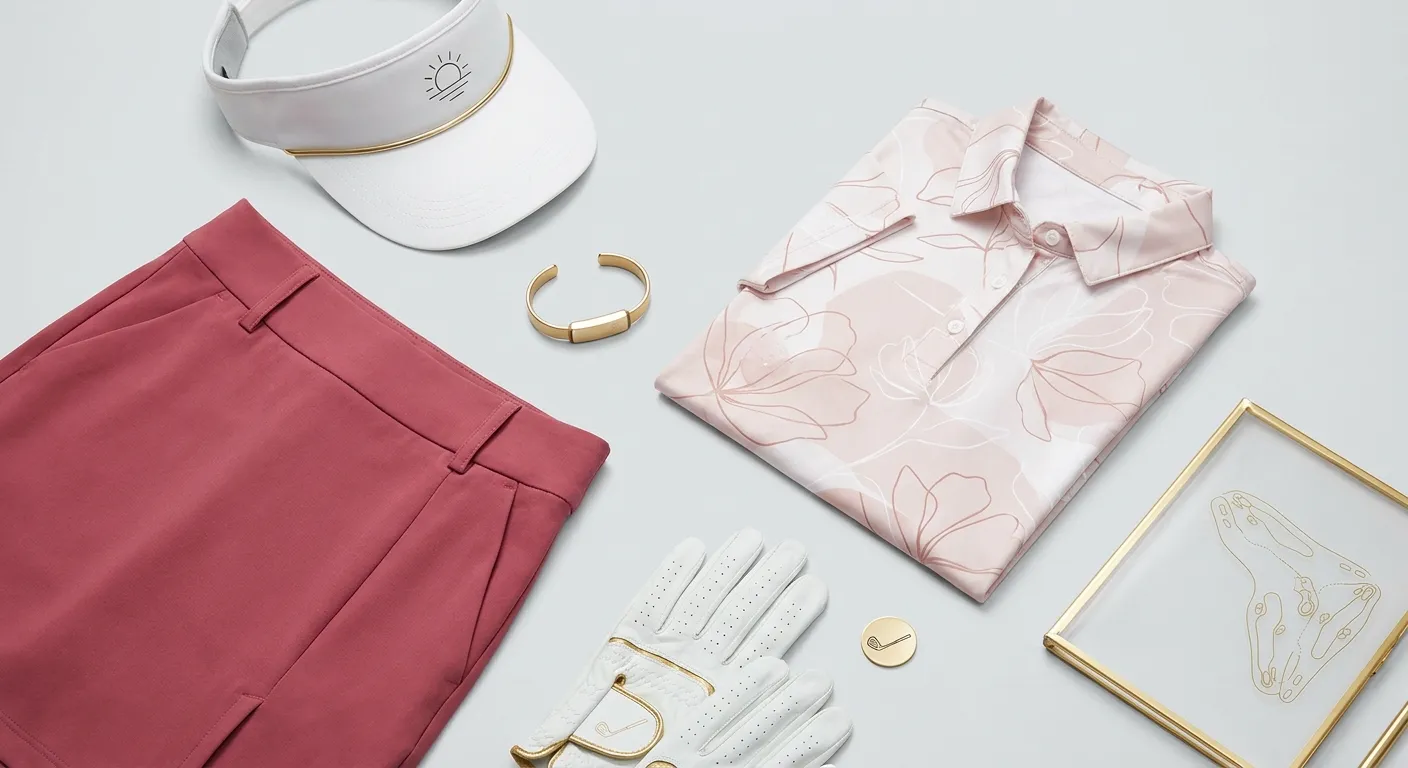
Women’s golf apparel can look elegant and still make the practical parts of a round easy. The useful test is not whether a garment is called high performance, but whether you can swing, bend, walk, and reach your pockets comfortably while meeting the venue’s requirements. This guide compares outfit options by function and fit rather than presenting an untested ranking of seasonal products. Begin with the clothing you already enjoy wearing, identify any inconvenience, and shop for that task. Personal style belongs on the course, and it deserves the same thoughtful trial as any other piece of golf equipment.
Start with venue, weather, and your own preferences
Read the course’s current dress requirements or ask the shop before booking. Do not assume a rule you encountered at one venue applies everywhere. Check the forecast and consider whether you will walk or ride, how long you expect to be out, and where you will go afterwards. Those details help you choose between a skort, trousers, shorts, or a dress where permitted. There is no need to begin with a trend report. Begin with the actual outing and choose an outfit you can use for it.
Make a short list of personal requirements. You might want a secure pocket, a particular sleeve length, a waistband that stays comfortable when seated, or a layer that fits over your favorite top. Include what you prefer visually: a clean silhouette, bright color, a print, or a coordinated set. These are legitimate choices rather than compromises with golf. If you are unsure where to start, take a garment you already like as a reference and compare the candidate’s fit and practical details against it.
Polos and tops: move before deciding
Try your setup posture and a gentle turn while wearing the top. Reach forward, raise your arms comfortably, and bend as if marking a ball. Check the shoulders, underarms, collar, and hem for pulling or rubbing. Repeat with the layer you would normally wear over it. A top that feels fine standing still may behave differently in your golf movements. Stay within the retailer’s trial arrangements, and avoid using a fitting room test as a medical assessment. Stop any movement that hurts; this is general clothing guidance, not medical advice.
Decide how you like to wear the hem and whether it stays in place through the movements you tested. Examine fastenings and seams against your skin or base layer. Check whether the chosen color is suitably opaque in ordinary light and whether you feel comfortable in it. Do not buy solely because the label promises stretch or breathability; ask what the product’s specification actually says and use your own trial where practical. The most useful top is one whose fit you understand before reaching the first tee.
Skorts, shorts, and trousers: check real pocket use
Try sitting, taking a normal stride, and bending at a comfortable pace. For a skort, inspect the inner short and how the layers move together. For trousers or shorts, notice whether the waistband or closures press when seated. Check the length in the stance you actually use rather than only in a mirror. Bring the type of small items you carry, such as a marker or tee, and test the pockets where the retailer permits it. A decorative pocket may look elegant but not serve the job you need.
Think through which items belong in clothing and which can stay in the bag. A phone, scorecard, and several balls can overload a pocket that is comfortable with a marker alone. If you prefer a lighter outline, choose a bag pocket you can access easily rather than forcing everything into the garment. When comparing options, record what you carried and what movement felt restricted. This makes the choice concrete. You can prefer a particular cut for style while selecting a different piece for outings with different practical demands.
Golf dresses and coordinated sets: check the whole outfit
A dress or matching set can simplify choosing colors, but it still needs the same movement check. Confirm any included shorts or underlayers, pocket placement, and how you manage the outfit during a normal outing. Try it with the shoes and outer layer you expect to wear. Consider whether the components can be worn separately with pieces you already own. A coordinated look can be enjoyable without requiring a complete new wardrobe, and the ability to mix pieces may make the outfit more useful between rounds.
Check sizing for each component rather than assuming one size describes the whole set. Read the product description carefully when ordering online, especially whether an image shows items sold separately. Measure a comfortable existing garment if the retailer provides a suitable chart, and ask about returns when sizing is uncertain. Keep packaging and labels until you have completed the permitted home trial. Avoid treating a flattering photograph as evidence of fit or function. You need the garment to work on your body and in your own routine.
Layers: rehearse adding and removing them
Try the outer layer over the exact kind of top you intend to wear. Make a comfortable rehearsal swing and check whether the sleeve or shoulder interferes. Zip or fasten it, reach into the pockets, and remove it as you would on the course. Decide where it will fit in your bag when not worn. A layer that is awkward to pack or repeatedly catches on your glove may become frustrating even if you like its appearance. Compare those details before buying a second version with the same problem.
Distinguish a description such as water resistant from the specific protection you require. Ask for the manufacturer’s documentation if waterproofing or another technical specification matters, and read any limitations and care directions. Do not infer sun protection from a sleeve length, color, or fabric feel. For personal sun-safety guidance, consult an appropriate qualified source rather than relying on a fashion description. Keeping performance claims tied to the actual product allows you to choose a beautiful layer without assuming benefits that have not been established.
Shoes and finishing details: use your normal movements
Try both shoes, walk within the permitted area, and notice pressure points or heel movement. Wear the socks you plan to use. If you require a particular fit or support, ask an appropriate professional rather than assuming any golf shoe addresses the issue. Check the venue’s footwear requirements and the retailer’s outside-wear return conditions. Style can guide the shortlist, but the trial should guide the final decision. A shoe that looks right in a photograph still needs to feel manageable when you move.
Check hats, visors, gloves, and accessories with the rest of the outfit. Look at whether a brim interferes with your usual view, whether fastenings are easy to operate, and where you will store an accessory when you remove it. Keep jewelry and loose details suited to the movements you intend to make. Choose a color accent you enjoy rather than adding several items because they appear in a styled image. Practical elegance can be a small number of pieces that you know how to wear and carry.
Care labels and a repeatable wardrobe
Read the care instructions before purchase and decide whether they suit your normal laundry routine. The FTC’s care-labeling guidance explains instructions and warnings for covered garments in the United States, including washing, drying, and ironing considerations. For your own item, follow its label rather than a universal tip for all sports fabrics. If the instructions are unclear, ask the manufacturer. Care is part of choosing a usable garment, not an afterthought once it is in your wardrobe.
Build a small outfit map from pieces you own: a top and bottom for a mild day, a compatible layer for a cooler outing, and an alternative bottom or top that uses the same accessories. Identify the missing function before buying. If you already have several tops but no comfortable layer, another top may not solve the actual problem. After wearing an outfit, note what worked and what distracted you. This gives the next purchase a purpose while leaving room for a color or design you simply enjoy.
Your next step
Try one complete outfit before the next round. Check the venue’s requirements, rehearse normal golf movements, test the pockets, and read the care labels. Women’s golf apparel works best when its style and practical details suit the person wearing it. Choose pieces you can use confidently, with product claims checked where they matter and your own comfort guiding the final decision.