
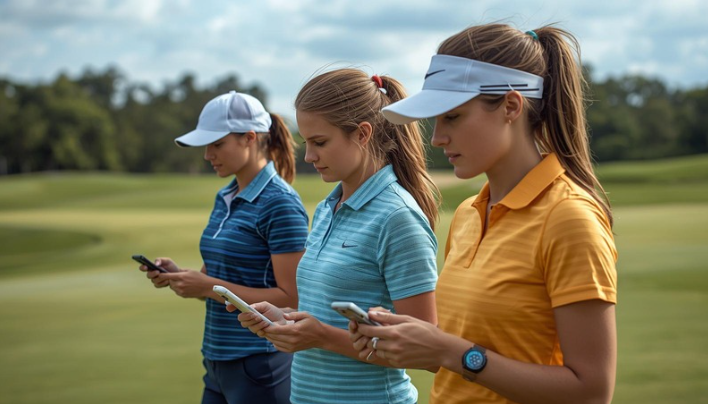
Golf data tracking devices women rely on have transformed how improvement happens on the course. Instead of guessing why a round felt inconsistent, you can now analyze real performance metrics. Distance gaps, accuracy trends, and putting patterns become clear when data replaces assumptions.
Modern golf technology no longer caters only to elite players. Today, wearable trackers, GPS watches, and smart sensors provide accessible insights for every skill level. As a result, improvement becomes measurable and intentional.
If you want to lower scores and understand your tendencies, learning how to use data effectively is essential. With the right device and strategy, every round becomes an opportunity for growth.
Why Tracking Performance Matters
Many golfers rely solely on memory after a round. However, memory often highlights mistakes rather than patterns.
Golf data tracking devices women adopt provide objective feedback. Because statistics reveal trends, you can focus practice sessions strategically.
For example, you may believe your driving causes trouble. Yet data might show approach shots cost more strokes. Consequently, your practice priorities shift.
Tracking also builds accountability. When numbers confirm progress, motivation increases.
Furthermore, analyzing fairways hit, greens in regulation, and putts per round creates clarity. Instead of vague goals, you set measurable targets.
Consistent tracking accelerates improvement significantly.
Types of Golf Data Tracking Devices Women Use
Several device categories exist, each offering unique advantages.
GPS Golf Watches
GPS watches provide yardages, hazard distances, and score tracking. Many models also record shot distances automatically.
Golf data tracking devices women wear as watches offer convenience. Because they sit on your wrist, you access information quickly.
Some advanced watches include swing tempo analysis and heart rate monitoring. Therefore, you gain both performance and wellness insights.
Battery life and display clarity matter. Choose a model that balances durability and ease of use.
Club Sensors
Club-mounted sensors track swing speed, path, and contact. These devices often sync with smartphone apps.
Golf data tracking devices women attach to clubs provide precise shot-by-shot analytics. As a result, you see distance averages per club.
Because sensors capture every swing, data accuracy improves dramatically.
However, ensure compatibility with your preferred app platform.
Launch Monitors
Portable launch monitors measure ball speed, launch angle, spin rate, and carry distance.
Although traditionally expensive, newer models offer affordable options.
Golf data tracking devices women use at the range often include compact launch monitors. These tools deliver deep performance insights.
Because launch conditions influence distance and accuracy, understanding them enhances decision-making.
Smartphone Apps
Apps alone can track scores, fairways, and greens. While less advanced, they still provide valuable statistics.
Apps work well for beginners starting with basic metrics.
Key Metrics to Track for Improvement
Data becomes powerful only when interpreted correctly.
Driving Distance and Accuracy
Average drive distance reveals consistency. Meanwhile, fairways hit percentage highlights control.
Golf data tracking devices women depend on display these metrics clearly. Because driving sets up scoring opportunities, monitoring trends matters.
Approach Shot Proximity
Distance to pin after approach shots determines birdie chances.
Track how often you hit greens from various yardages. Consequently, you identify weak distance zones.
Short Game Performance
Up-and-down percentage reflects chipping and pitching skill.
Putting statistics, including average putts per hole, expose areas needing attention.
Golf data tracking devices women integrate into their rounds often show that short game contributes significantly to score variance.
How to Analyze Data After Each Round
Collecting data without review limits progress.
Set aside time after each round to evaluate statistics. Look for patterns over multiple rounds rather than single-day anomalies.
Golf data tracking devices women use generate trend charts. These visuals simplify interpretation.
For example, consistent misses right may indicate alignment issues.
Additionally, compare driving accuracy to scoring outcomes. Strong correlation guides practice focus.
Avoid overwhelming yourself with too many metrics initially. Instead, prioritize two or three key indicators.
Using Data to Create a Practice Plan
Data should guide action.
If approach shots from 100 yards lack consistency, dedicate range time to that distance.
Golf data tracking devices women utilize help identify specific yardage gaps. Therefore, practice becomes precise rather than general.
Track improvements over weeks. Small gains accumulate into meaningful progress.
Additionally, monitor putting stats closely. Improved lag putting alone can reduce scores quickly.
When practice aligns with evidence, efficiency increases.
Integrating Technology Without Overthinking
Technology should support, not distract.
During rounds, avoid constantly checking statistics. Instead, focus on playing naturally.
Golf data tracking devices women rely on often operate in the background. Review detailed data afterward.
Trust your preparation during play. Data analysis belongs to post-round evaluation.
Balance remains essential. Overanalyzing mid-round can increase tension.
Benefits Beyond Performance
Tracking devices offer more than numbers.
Many models include course maps and hazard alerts. Consequently, strategy improves.
Some devices monitor walking distance and calories burned. Because golf involves physical activity, wellness tracking adds value.
Golf data tracking devices women incorporate into routines often enhance motivation. Seeing improvement visually reinforces effort.
Confidence grows when evidence supports your progress.
Choosing the Right Device for Your Goals
Selecting the right tool depends on priorities.
If simplicity matters, start with a GPS watch. For deeper analysis, add club sensors.
Golf data tracking devices women select should align with skill level and commitment.
Budget also influences decision-making. While premium models offer advanced metrics, mid-range options provide substantial value.
Read reviews and test usability before purchasing.
Comfort and battery life should not be overlooked.
Common Mistakes When Using Golf Tech
Relying solely on data without addressing fundamentals limits improvement.
Additionally, chasing perfect numbers can create unnecessary pressure.
Golf data tracking devices women use effectively complement lessons and practice.
Avoid comparing statistics excessively with others. Personal progress matters most.
Consistency in tracking yields reliable insights.
Skipping rounds in your data log distorts trends.
Stay disciplined with recording for accurate evaluation.
Long-Term Growth Through Data Awareness
Over months, patterns become clearer.
Seasonal comparisons reveal strengths and weaknesses.
Golf data tracking devices women depend on store historical data, allowing year-over-year analysis.
Recognizing improvement builds confidence.
Furthermore, long-term data prevents emotional overreaction to single poor rounds.
Progress becomes measurable and sustainable.
Conclusion: Turn Information into Improvement
Golf data tracking devices women integrate into their routines provide clarity, accountability, and direction. Instead of guessing where strokes are lost, you rely on measurable evidence.
Choose devices that match your goals. Track essential metrics consistently. Then, analyze patterns calmly.
Use data to guide focused practice sessions. However, maintain balance during play.
Improvement thrives when insight meets action. With the right tracking tools, every round becomes a stepping stone toward better performance.
Technology cannot replace skill. Yet when used wisely, it accelerates development significantly.
FAQ
- Are tracking devices suitable for beginners?
Yes. Even basic metrics like fairways hit and putts per round help new players improve faster. - Do I need a launch monitor to see improvement?
Not necessarily. GPS watches and club sensors provide valuable insights for most golfers. - How often should I review my statistics?
Review data after each round and look for trends over several weeks. - Can too much data hurt performance?
Yes. Focus on key metrics rather than overwhelming yourself with excessive numbers. - What is the most important stat to track?
It depends on your goals, but many players benefit most from monitoring approach and putting performance.