
[be_published_modified_date]
Golf Nutrition for Women: Fuel Your Best Round
Golf might not seem as physically demanding as some other sports, but a full 18-hole round can take hours, covering several miles on foot, often under varying weather conditions. Proper Golf Nutrition for Women is crucial for maintaining energy levels, focus, and stamina throughout your game. Just like you prepare your clubs and attire, preparing your body with the right fuel and hydration can significantly impact your performance, preventing fatigue, improving concentration, and helping you make smarter decisions on the course. Let’s explore the best strategies to keep you energized from the first tee to the final putt.
The Role of Nutrition on the Course
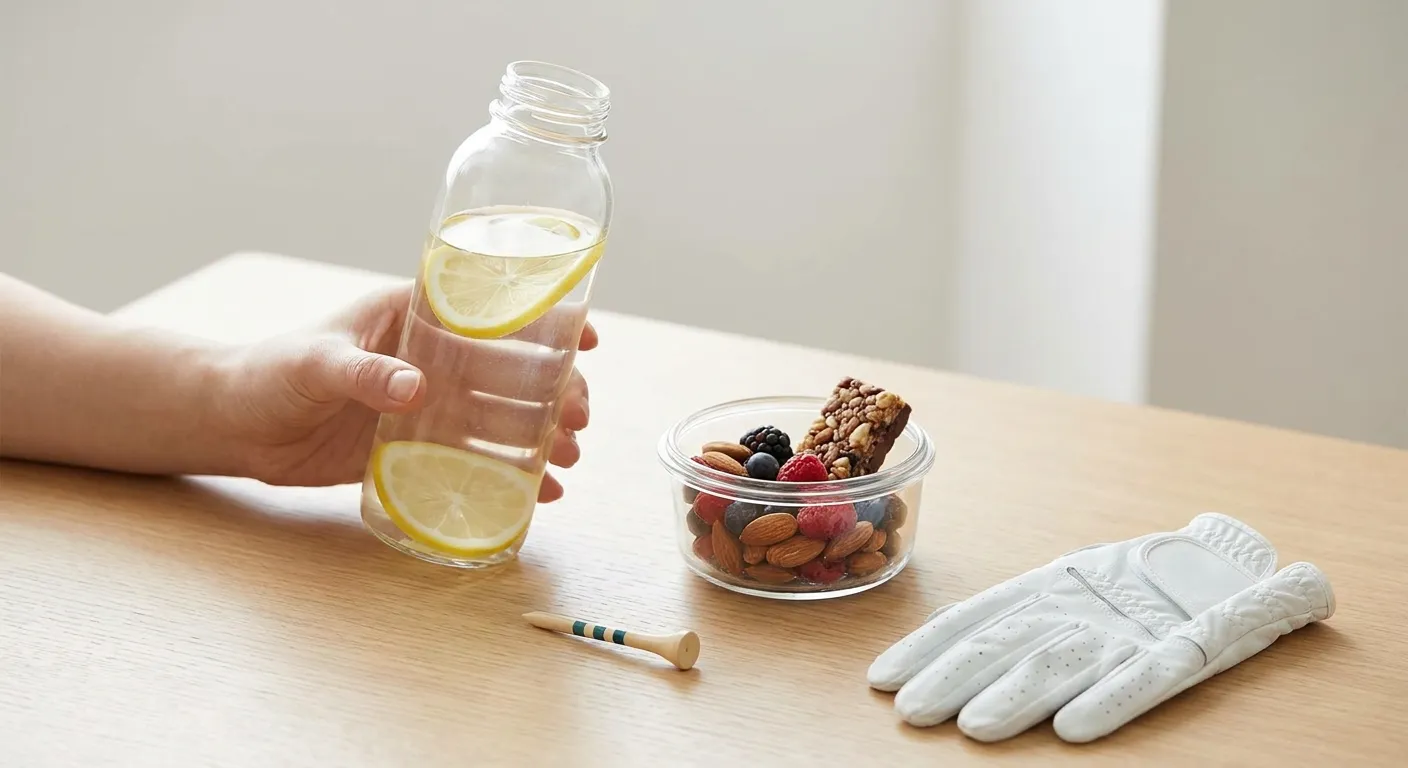
Your body needs a steady supply of energy to power through a long round. Complex carbohydrates, like those found in whole grains, fruits, and vegetables, provide sustained energy release, unlike sugary snacks that lead to quick spikes and crashes. For example, a banana or a handful of almonds before your round, and then small, frequent snacks like energy bars or whole-wheat crackers during the game, can keep your blood sugar stable. Protein is also important for muscle repair and satiety, making choices like a turkey wrap or a protein bar good options. Avoiding heavy, fatty foods before and during your round can prevent sluggishness and digestive discomfort, allowing you to focus purely on your game.
Hydration: Your Secret Weapon for Stamina and Focus
Hydration is often overlooked but is absolutely critical. Even mild dehydration can lead to reduced concentration, muscle cramps, and overall fatigue, all of which can derail your game. Aim to drink water consistently before, during, and after your round. Don’t wait until you feel thirsty; thirst is already a sign of dehydration. Carrying a reusable water bottle and sipping from it regularly is a simple yet effective strategy. On very hot days, or if you sweat a lot, consider an electrolyte-rich drink to replenish lost minerals. Staying properly hydrated helps maintain cognitive function, ensuring you can make sharp decisions and execute precise shots even in the late stages of your round, giving you a competitive edge.
Pre-Round Fuel: Setting the Stage for Success
The foundation of effective female golfer nutrition begins even before you step onto the course. A balanced breakfast, consumed 2-3 hours before your tee time, is ideal. Consider a meal rich in complex carbohydrates and lean protein. For instance, oatmeal with berries and nuts, or scrambled eggs with whole-wheat toast and avocado, provides sustained energy without causing a sugar crash. Furthermore, this pre-round meal helps stabilize blood sugar, preventing mid-round hunger pangs. Remember to also hydrate adequately in the hours leading up to your game, perhaps with a glass of water every hour.
Mid-Round Snacks: Sustaining Energy and Concentration
As your round progresses, your body will continue to burn through its energy stores. Consequently, strategic mid-round snacking is essential for maintaining focus and stamina. Opt for easily digestible, portable options that provide a quick yet sustained energy boost. Good choices include a piece of fruit like an apple or an orange, a small handful of trail mix, or a specially formulated golf energy bar. Moreover, these snacks should be consumed every 4-6 holes, rather than waiting until you feel completely depleted. This proactive approach to female golfer nutrition ensures a consistent energy supply. It helps prevent mental lapses and physical fatigue that can lead to poor shot execution.
Post-Round Recovery: Rebuilding and Rehydrating
Your commitment to proper Golf Nutrition for Women shouldn’t end after the final putt. The post-round period is crucial for recovery, muscle repair, and replenishing lost nutrients. Within 30-60 minutes of finishing your round, aim for a meal or snack that combines protein and carbohydrates. For example, a protein shake, a turkey sandwich, or Greek yogurt with fruit can aid in muscle recovery and glycogen replenishment. Additionally, continue to rehydrate with water or an electrolyte drink, especially if you’ve been playing in hot conditions. This recovery phase helps your body prepare for your next round and minimizes post-game soreness. Prioritizing recovery is just as important as your on-course performance.
The Impact of Micronutrients: More Than Just Calories
While carbohydrates, proteins, and fats are macronutrients, micronutrients like vitamins and minerals play an equally vital role in your overall performance and health. For female golfers, specific micronutrients are particularly beneficial. For instance, iron is crucial for oxygen transport, and a deficiency can lead to fatigue. Similarly, magnesium supports muscle function and energy production. Calcium and Vitamin D are essential for bone health, which is important for preventing injuries in repetitive golf swings. Ensuring a varied diet rich in fruits, vegetables, and lean proteins will naturally provide many of these essential micronutrients. Sometimes, however, a high-quality multivitamin might be a helpful addition, especially if dietary intake is inconsistent. Consult with a healthcare professional or registered dietitian for personalized advice on your nutrient needs.
Balancing Macronutrients for Peak Performance
Understanding how to balance your macronutrients is a cornerstone of effective female golfer nutrition. Carbohydrates are your primary energy source. They should make up the largest portion of your plate, especially complex carbohydrates. Proteins are essential for muscle repair and growth, and they also contribute to satiety, helping you feel full longer. Healthy fats provide a concentrated source of energy and support overall health. They also play a role in hormone production. A general guideline for golfers is to aim for a plate that is roughly 50-60% carbohydrates, 20-30% protein, and 15-20% healthy fats. This balance ensures sustained energy, optimal recovery, and overall well-being. For example, a lunch of grilled chicken, quinoa, and a large mixed green salad with avocado offers a great macronutrient profile.
Navigating Tournament Day Nutrition
Tournament days bring added pressure and often longer hours on the course. Therefore, your nutrition strategy needs to be even more dialed in. Stick to familiar foods that you know your body tolerates well; this is not the day to experiment with new recipes. Pack plenty of easy-to-eat, non-perishable snacks. This ensures you have fuel readily available between holes or during short breaks. Moreover, plan your hydration carefully. Consider bringing a larger water bottle or multiple smaller ones to avoid running out. Some golfers find it helpful to alternate between water and an electrolyte drink during intense competition. Remember, consistent fueling and hydration can be the difference between a strong finish and fading down the stretch. This strategic approach to Golf Nutrition for Women can significantly impact your competitive edge.
The Mental Edge: How Food Impacts Focus
Beyond physical stamina, proper Golf Nutrition for Women profoundly influences mental clarity and focus. The brain, much like muscles, requires a steady supply of glucose to function optimally. Fluctuations in blood sugar can lead to irritability, difficulty concentrating, and poor decision-making – all detrimental to your golf game. Foods rich in omega-3 fatty acids, such as salmon or walnuts, are known to support brain health. Furthermore, staying hydrated is directly linked to cognitive function. Even mild dehydration can impair short-term memory and attention. By consistently providing your body with the right nutrients and fluids, you empower your mind to stay sharp, make strategic choices, and maintain composure under pressure. This mental resilience is a powerful component of a successful round.
Beyond the Course: Daily Habits for a Better Game
While on-course nutrition is vital, your daily eating habits also significantly contribute to your golf performance. A consistently healthy diet builds a strong foundation. It supports overall energy levels, muscle health, and injury prevention. Incorporate a wide variety of whole foods into your daily meals: lean proteins, whole grains, fruits, and vegetables. Limit processed foods, excessive sugar, and unhealthy fats, which can lead to inflammation and reduced energy. Furthermore, consider how your daily diet can support your overall fitness goals, whether it’s increasing strength or improving flexibility. This holistic approach to Golf Nutrition for Women ensures that your body is always primed for peak performance, not just on game day but every day. For additional inspiration and to connect with others who share your passion for the game, consider exploring resources on Finding Your Foursome: How Community Transforms Your Golf Game.
Specific Food Recommendations for Female Golfers
To put these principles into practice, let’s look at some specific food recommendations that align with optimal female golfer nutrition. For pre-round meals, consider overnight oats with chia seeds and berries, or a breakfast burrito with eggs, black beans, and whole-wheat tortilla. Mid-round, good options include trail mix (nuts, seeds, dried fruit), a small apple with almond butter, or a hard-boiled egg. For post-round recovery, a smoothie with protein powder, spinach, and banana, or a chicken and vegetable stir-fry, works well. Always keep in mind individual preferences and dietary restrictions, but these examples provide a solid starting point for enhancing your on-course fueling. For more detailed information on sports nutrition, refer to resources from reputable organizations like the Academy of Nutrition and Dietetics. Also, the National Strength and Conditioning Association offers valuable insights into performance-enhancing strategies.
Supplements: When and What to Consider
For most female golfers, a well-balanced diet provides all the necessary nutrients. However, in certain situations, supplements might be considered to complement your Golf Nutrition for Women strategy. For example, a Vitamin D supplement might be beneficial if you have limited sun exposure, as Vitamin D is crucial for bone health and immune function. Similarly, iron supplements may be recommended for women with diagnosed iron deficiency anemia. Omega-3 fatty acid supplements can support brain health and reduce inflammation. It is absolutely essential to consult with a healthcare professional or a registered dietitian before starting any new supplement regimen. They can help assess your individual needs and ensure that any supplements you take are safe and appropriate for your health goals. Remember, supplements are meant to supplement, not replace, a healthy diet.
Personalizing Your Fueling Strategy
Every female golfer is unique, and what works best for one person might not work for another. Therefore, personalizing your fueling strategy is key to optimizing your Golf Nutrition for Women. Pay attention to how different foods make you feel before, during, and after your round. Do certain snacks cause an energy crash? Do you feel sluggish after a particular meal? Keep a simple food diary for a few rounds to track your intake and corresponding performance and energy levels. This self-experimentation can provide invaluable insights. Furthermore, consider factors like the climate you play in, the intensity of your game, and your individual metabolism. Adjust your choices based on these observations. Over time, you’ll discover the ideal nutritional approach that empowers you to play your best golf consistently. This personalized approach to female golfer nutrition ensures you are always at the top of your game.
Optimal Golf Nutrition for Women is not just about avoiding hunger; it’s about strategically fueling your body and mind for sustained performance, focus, and enjoyment on the course. By prioritizing balanced meals, smart snacking, and consistent hydration, you can significantly elevate your game. Remember, your body is your most important piece of equipment. Treat it with the same care and attention you give your clubs, and you’ll undoubtedly see improvements in your stamina, concentration, and overall confidence. Embrace these nutritional strategies and redefine your enjoyment of the game, one well-fueled swing at a time. Empower yourself to play your best golf, every single round, with intentional fueling and hydration. This comprehensive approach ensures you feel strong, focused, and ready to conquer the course.
FAQ:
What should I eat before a golf round?
Before a round, aim for a balanced meal 2-3 hours prior, focusing on complex carbohydrates and lean protein. Examples include oatmeal with fruit, or eggs with whole-wheat toast. This provides sustained energy.
What are good snacks to eat during a golf round?
During your round, opt for easily digestible snacks every 4-6 holes. Consider options like a banana, a handful of almonds, an energy bar, or whole-wheat crackers to maintain stable blood sugar and energy.
How much water should I drink while playing golf?
Hydration is critical. Drink water consistently before, during, and after your round. Don’t wait until you feel thirsty. Carry a reusable bottle and sip regularly. On hot days, an electrolyte drink can be beneficial.
Why is protein important for female golfers?
Protein is essential for muscle repair and growth, which is vital after the physical demands of a golf round. It also helps with satiety, keeping you feeling full and focused throughout your game.
Can nutrition affect my mental focus on the golf course?
Absolutely. Proper fueling and hydration directly impact mental clarity and concentration. Stable blood sugar prevents mental fogginess, and good hydration supports cognitive function, allowing for sharper decision-making.