[be_published_modified_date]
The Secret to Shorter Putts: How to Improve Women’s Putting
Putting is often called a ‘game within a game,’ and for many female golfers, it’s where the most strokes are gained or lost. Learning to improve women’s putting can dramatically lower your scores and boost your confidence on the green. It’s not about brute strength, but rather touch, precision, and a keen understanding of the subtle nuances of the green. This isn’t just about hitting the ball; it’s about reading the landscape, controlling your stroke, and developing a consistent rhythm that yields results. In fact, mastering your short game is essential for any golfer looking to truly elevate their play.
Reading Greens to Sink More Putts
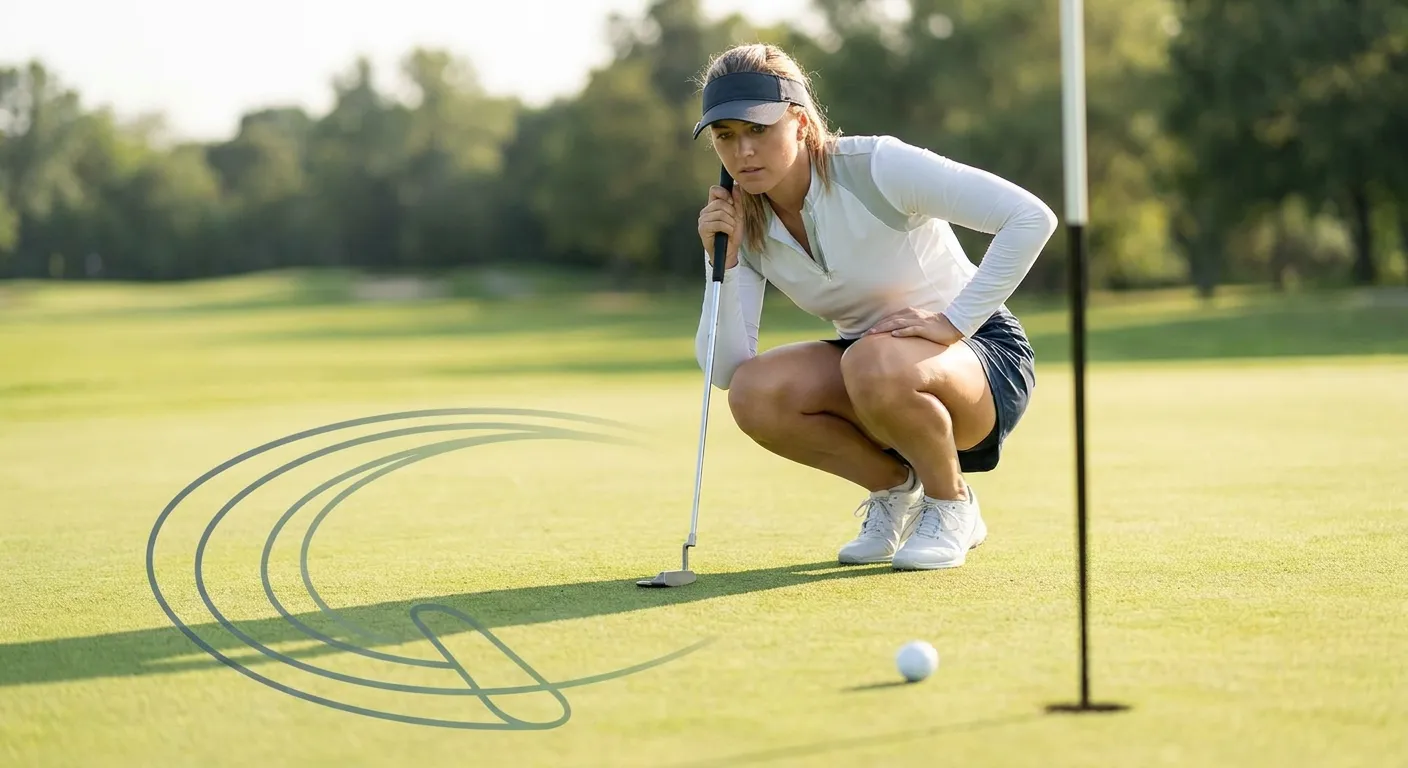
One of the most overlooked aspects of putting is effectively reading the green. Before you even take your stance, walk around the hole, observing the slope from all angles – behind the ball, behind the hole, and even from the sides. Look for subtle undulations, changes in grass grain, and areas where water might drain. These clues will tell you how much break the ball will take. Remember, putts generally break towards the lowest point of the green or towards large bodies of water nearby. Don’t just rely on your eyes; feel the ground with your feet for subtle elevation changes. Consequently, the better you can read the green, the more accurately you can visualize your line. This is the first step to sinking more putts and seeing a real improvement in putting for women.
Master Your Stroke Mechanics and Practice Drills
Once you’ve read the green, consistent stroke mechanics are vital. Focus on a pendulum-like motion, keeping your head still and your eyes over the ball through impact. Many women find success with a slight forward press at the start of their stroke to ensure a smooth, accelerating motion. Practice drills are indispensable. Try the ‘gate drill,’ where you place two tees just outside your putter head to ensure a straight back-and-through path. Another effective drill is the ‘ladder drill,’ putting from increasing distances (3, 6, 9 feet) to develop distance control. For short putts, focus on making ten putts in a row from three feet – this builds immense confidence. Consistent practice, even for just 15-20 minutes a few times a week, will engrain these mechanics and improve your feel, transforming your performance on the green. Furthermore, consider exploring comprehensive golf training for women to enhance all aspects of your game, including putting. You can find excellent resources at Comprehensive Golf Training for Women.
Understanding Putter Selection and Grip Styles
Choosing the right putter is crucial for any golfer aiming to refine their game. Putters come in various head shapes, weights, and hosel designs, each influencing the stroke and feel. For example, a blade putter offers a traditional feel and is often preferred by those with an arc in their stroke. Meanwhile, mallet putters provide more forgiveness and stability, which can be beneficial for golfers with a straighter back-and-through motion. When selecting a putter, consider your natural stroke path and what feels most comfortable in your hands. Similarly, the grip style significantly impacts your control. Popular options include the traditional reverse overlap, the cross-handed grip (left hand low for right-handers), and the claw grip. Each style aims to minimize wrist movement and promote a more stable stroke. Experiment with different putters and grips to discover what truly helps you improve women’s putting. You might also want to explore more options for Golf Clubs on our site.
Developing Touch and Distance Control on the Green
Beyond mechanics, developing a keen sense of touch and distance control is paramount for sinking more putts. This skill is often cultivated through focused practice and a deep understanding of how different forces affect the ball. Consider the ‘pace putt drill,’ where you aim to roll the ball just past the hole, ensuring you avoid leaving putts short. Another excellent exercise involves putting to an imaginary target at varying distances, focusing purely on the speed of the ball. Importantly, pay attention to the sound the ball makes off the putter face; a solid strike usually indicates good contact and consistent speed. Furthermore, understanding green speed is vital. Faster greens require a softer touch, while slower greens demand more force. Regularly practicing on different green speeds will significantly help you develop this crucial feel, enabling you to improve women’s putting with greater consistency. Many find that dedicated Golf Training resources can provide structured approaches to developing this touch.
The Mental Game of Putting: Confidence and Visualization
Golf is as much a mental game as it is physical, and putting is perhaps where this is most evident. Confidence on the green can transform your performance. Before each putt, take a deep breath and visualize the ball rolling into the hole. Trust your read and your stroke. Avoid overthinking; once you’ve committed to a line, execute it. Negative thoughts can quickly sabotage a good putt. Instead, focus on positive affirmations and recall successful putts you’ve made in the past. Moreover, developing a consistent pre-putt routine can help calm your nerves and prepare you mentally. This routine might include specific steps like walking around the ball, taking practice strokes, and focusing on a spot just in front of the ball. By mastering the mental game, you will undoubtedly improve putting for women, experiencing fewer three-putts and more birdies. For more insights on the mental aspects of golf, resources like those from the PGA Tour on mental game can be incredibly beneficial.
Analyzing Your Putting Performance: Data and Feedback
To truly improve women’s putting, it’s essential to analyze your performance and identify areas for growth. Many modern golf technologies, such as putting mats with alignment guides or even launch monitors for putting, can provide valuable data on your stroke path, clubface angle, and ball speed. While these tools can be helpful, simple observation and honest self-assessment are equally important. Keep a putting log, noting how many putts you take per round and the distance of your successful putts. This data can reveal patterns, such as consistently missing short putts or struggling with long-distance control. Furthermore, consider getting feedback from a qualified golf instructor. An expert eye can spot subtle flaws in your setup or stroke that you might not notice. They can offer personalized drills and insights tailored to your specific needs. Regularly reviewing your performance, whether through technology or self-assessment, is a powerful way to accelerate your progress on the green. For additional insights on golf data, you might explore articles from reputable golf publications like Golf Digest on putting stats.
Maintenance and Care of Your Putting Gear
Just as important as your technique is the condition of your equipment. A well-maintained putter and quality golf balls can significantly impact your putting performance. Regularly clean your putter face to ensure there’s no dirt or debris that could affect contact. Check your putter grip for wear and tear; a worn grip can lead to slippage and inconsistent strokes. If your grip feels slick or hard, it’s probably time for a replacement. Similarly, using high-quality golf balls designed for consistent roll can make a noticeable difference. While it might seem like a minor detail, the small dimple patterns and construction of a golf ball are engineered for optimal performance. Therefore, taking care of your golf gear not only prolongs its life but also contributes directly to your ability to improve women’s putting. You can find great options for new equipment in our Golf Gear section.
Embracing Practice and Patience for Putting Mastery
Putting is a skill that rewards patience and deliberate practice. It’s not something you master overnight; rather, it’s a continuous journey of refinement and learning. Embrace the process, celebrate small victories, and don’t get discouraged by occasional misses. Every putt, whether sunk or missed, offers a valuable learning opportunity. By consistently applying the techniques discussed – reading greens effectively, refining stroke mechanics, developing touch, strengthening your mental game, analyzing performance, and maintaining your gear – you will steadily improve your short game. Ultimately, this dedication will lead to more confidence, lower scores, and a much more satisfying experience on the golf course. Remember, every great golfer started somewhere, and with focused effort, you too can transform your putting and truly enjoy the game within a game.
FAQ Section
How can I improve my putting distance control?
To enhance distance control, practice the ‘ladder drill’ by putting from increasing distances (e.g., 3, 6, 9 feet) and focusing on the feel and tempo of your stroke. Also, try the ‘pace putt drill’ where you aim to roll the ball just past the hole to avoid leaving putts short.
What is the best way to read a golf green?
Effectively reading a green involves observing the slope from all angles – behind the ball, behind the hole, and from the sides. Look for subtle undulations, grass grain changes, and feel the ground with your feet. Putts typically break towards the lowest point or nearby water.
Should I change my putting grip to get better at putting?
Experimenting with different putting grip styles can be beneficial. Popular options like reverse overlap, cross-handed, or claw grips aim to minimize wrist movement. Find one that feels most stable and promotes a consistent stroke for you.
What role does mental focus play in improving putting?
Mental focus is crucial. Develop a consistent pre-putt routine, visualize the ball going into the hole, and trust your read and stroke. Positive affirmations and avoiding overthinking can significantly boost your confidence on the green.
How often should a woman golfer practice putting?
Consistent practice is key. Even 15-20 minutes a few times a week can make a significant difference. Focus on specific drills for mechanics, distance control, and short putts to engrain good habits and improve your feel.